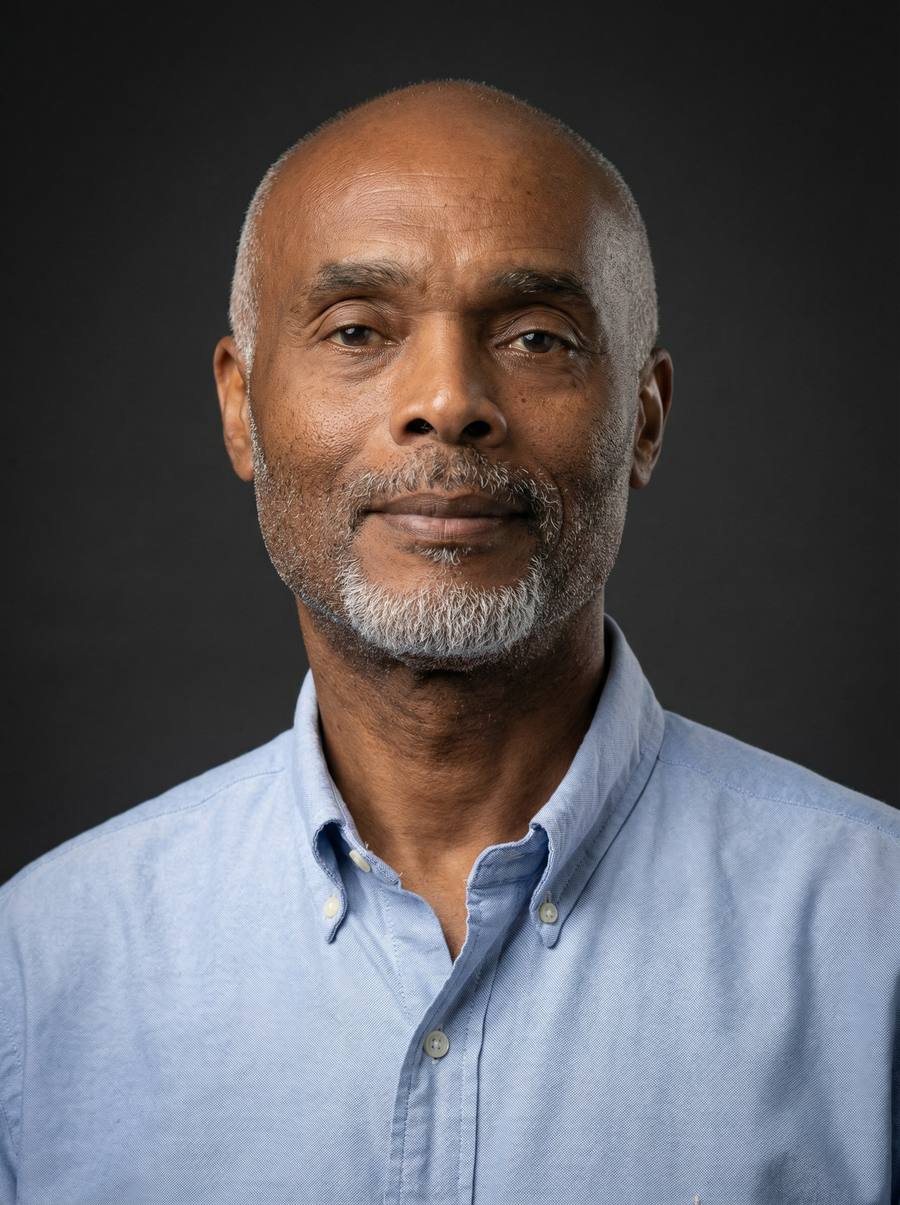
My Story: From Loss to Diagnosis to Mission
My journey to this work did not begin with my own diagnosis. It began with a profound loss that taught me — too late — the cost of silence around health.
In 2004, I began to notice subtle changes in my wife, Sylvia. She started sleeping more than usual, and her behavior was not quite the same. Despite her silence about her health or any discomfort, I sensed that something was wrong. We had only been married for about four years. On December 13, 2004, Sylvia asked me to take her to the hospital. It was there, sadly too late, that we discovered she was suffering from stage four colon cancer. On January 5, 2005, I found myself making funeral arrangements for my beloved wife.
The loss felt overwhelming. Her absence left me feeling lost and deeply lonely. However, this period of solitude became a time for transformation. Confronting my feelings alone forced me to reflect on who I truly am. Through Sylvia’s passing, I gained strength and learned valuable lessons about resilience and the importance of self-reflection.
“To Sylvia, whose memory gives me strength, and to all the men and their families who have been touched by prostate cancer. May this book provide you with the knowledge, strength, and hope you need to navigate your journey.”
Years later, in 2016, I faced my own health crisis when I was diagnosed with prostate cancer. It had likely developed one to three years earlier, though I was unaware. The first signs appeared as changes in my behavior at work — I found myself seeking quiet places to rest without knowing why. There was no pain or obvious symptom that indicated cancer. I also noticed a decline in my yoga practice; I could no longer hold the “down dog” pose and struggled with other positions that were almost second nature in the past.
In my family, discussing health issues was almost taboo, surrounded by secrecy and silence. I am determined to change this pattern, ensuring that my two sons are fully aware of my health challenges and the struggles I have faced. I hope they will accept responsibility for remaining vigilant about their health throughout their lives.
Over the years that followed my diagnosis, I immersed myself in the research. I read the clinical studies. I consulted with specialists. I explored the evidence behind conventional treatments and the complementary approaches — nutrition, supplementation, stress management, and natural support — that can work alongside them. That is why I wrote Navigating Prostate Cancer: A Guide for the Newly Diagnosed.
What I Can & Cannot Help You With
✓ What I CAN Help You With
- Share my personal experience with diagnosis, treatment, and recovery
- Help you build a list of questions to ask your urologist or oncologist
- Explain the general differences between treatment options in plain language
- Share evidence-based information on diet, supplements, and lifestyle
- Point you toward credible resources, clinical trials, and support organizations
- Provide emotional support and a calm, experienced perspective
✕ What I CANNOT Do
- Interpret your PSA scores, Gleason grade, or pathology report
- Recommend a specific treatment (surgery, radiation, active surveillance)
- Diagnose any medical condition or symptom
- Claim any supplement or remedy prevents, treats, or cures cancer
- Replace the guidance of your medical team
- Provide psychological therapy or mental health counseling